
New Roof Installation Quotes in North Jersey Explained

New Roof Installation Quotes in North Jersey: Comprehensive Cost and Process Guide
By Alex Castro, Metro Elite Roofing & Siding
When considering a new roof installation in North Jersey, homeowners often face the challenge of understanding the associated costs and processes. This guide aims to clarify the various factors influencing roof installation quotes, the structured process involved, warranty options, and how to effectively compare quotes from contractors. By the end of this article, you will have a comprehensive understanding of what to expect when seeking new roof installation quotes in North Jersey, enabling you to make informed decisions.
What Factors Influence Roof Installation Costs in North Jersey?
Several factors play a crucial role in determining the cost of roof installation in North Jersey. Understanding these elements can help homeowners budget effectively and avoid unexpected expenses. Key factors include the type of roofing materials used, the size and complexity of the roof, and labor costs associated with the installation.
How Do Roofing Materials Affect Your Quote?
The choice of roofing materials significantly impacts the overall quote for a new roof installation. Different materials come with varying costs, durability, and aesthetic appeal. Here’s a comparison of common roofing materials:
Material Type | Cost Range | Impact on Pricing |
Asphalt Shingles | $90 - $110 per square | Most affordable option, widely used |
Architectural Shingles | $100 - $130 per square | More durable, higher upfront cost |
Slate Roofing | $400 - $600 per square | Premium material, high installation costs |
Flat Roofing Systems | $100 - $200 per square | Varies based on specific material |
Choosing the right material not only affects the initial cost but also influences long-term maintenance and energy efficiency. For instance, while asphalt shingles are budget-friendly, architectural shingles offer better durability and aesthetic value.
What Role Does Roof Size and Complexity Play in Pricing?
The size and complexity of the roof are critical factors in determining installation costs. Larger roofs require more materials and labor, which can increase the overall price. Additionally, roofs with multiple pitches or existing damage may incur higher labor costs due to the intricacies involved in the installation process. Homeowners should consider these aspects when obtaining quotes to ensure they receive accurate estimates.
Academic research further supports the idea that roof design and material choices significantly influence overall installation expenses, with certain designs proving more cost-effective.
Roof Design & Material Impact on Installation Costs This study provides a cost assessment of various roof designs, taking into account the current price of wood. The analysis specifically examines the costs related to building Hip, Flat, Gable 1, and Gable 2 roofs, with a particular emphasis on the crucial role of wood in forming the trusses. The cost breakdown highlights different financial considerations for each type of roof, with Gable 2 being the most expensive, followed by Gable 1, Hip, and Flat roofs. The costs presented do not include labour costs and the selection of roof sheet materials, which are essential elements of construction projects. Flat roofs are a cost-effective option, costing only 47.69% of the price of Gable 2 roofs. Roofing economics: Analysing the impact of design and materials on construction costs, DJ IDIATA, 2023
How Is the New Roof Installation Process Structured?
Understanding the structured process of roof installation can help homeowners prepare for what to expect. The installation typically involves several phases, each crucial for ensuring a successful outcome.
What Are the Step-by-Step Phases of Roof Installation?
The roof installation process generally follows these key phases:
On-Site Evaluation: A thorough inspection of the existing roof and structure to assess the necessary work.
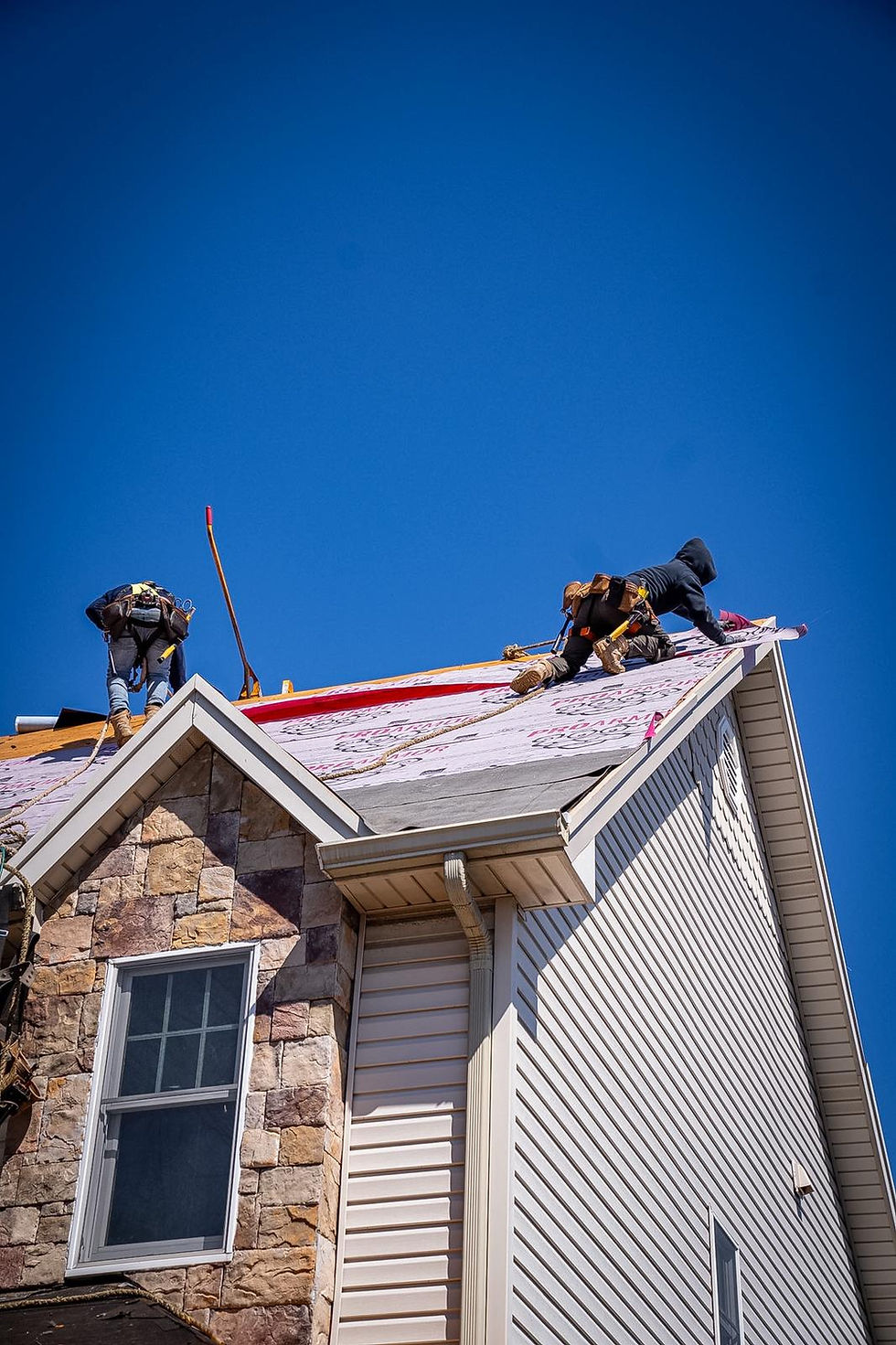
Preparation and Tear-Off: Removal of the old roofing material and preparation of the underlying structure.
Material Installation: Installation of new roofing materials, ensuring proper alignment and sealing.
Final Cleanup and Walkthrough: A comprehensive cleanup of the site and a walkthrough with the homeowner to ensure satisfaction.
This structured approach ensures that each aspect of the installation is handled professionally, leading to a durable and aesthetically pleasing roof.
How Long Does Roof Installation Typically Take in North Jersey?
The duration of roof installation can vary based on the size and complexity of the project. Generally, homeowners can expect the installation to take anywhere from a few days to a week. Factors such as weather conditions and the availability of materials can also influence the timeline.
What Warranty and Maintenance Options Are Available for New Roofs?
Warranties and maintenance options are essential considerations for homeowners investing in a new roof. Understanding these options can provide peace of mind and protect your investment.
Which Warranties Cover Material and Workmanship Defects?
Metro Elite Roofing & Siding offers a FREE Extended Lifetime Warranty on all roof replacements, covering both material and workmanship defects. This warranty ensures that homeowners are protected against potential issues that may arise after installation, providing long-term security.
The importance of robust warranty schemes for consumer protection and industry sustainability is underscored by international studies on new home warranties.
Understanding New Home Warranty Schemes The results of this study provide insights into the factors that make a new home warranty scheme viable over a long period of time. Case Study Research on existing new home warranty schemes in different countries revealed common challenges and best practices. They asserted that the efficiency of a home warranty scheme is crucial for consumer protection and industry sustainability. Comparative case study research: an international analysis of nine home warranty schemes, P Blanchet, 2023
How Does Regular Maintenance Impact Roof Longevity and Costs?
Regular maintenance is crucial for extending the lifespan of a roof. Homeowners should schedule periodic inspections to identify and address any signs of wear or damage early. This proactive approach can prevent costly repairs down the line and ensure the roof remains in optimal condition.
How Can You Compare Roofing Quotes and Choose the Right Contractor in North Jersey?
When it comes to selecting a roofing contractor, comparing quotes effectively is vital. Homeowners should look for key factors that indicate a contractor's reliability and quality of service.
What Should You Look for in a Roofing Contractor’s Credentials?
Licensing and Insurance: Ensure the contractor is licensed and carries liability insurance to protect against accidents.
Experience and Reputation: Look for contractors with a proven track record and positive customer reviews.
Warranty Offerings: A reputable contractor should provide clear warranty options for both materials and workmanship.
How to Evaluate and Compare Roof Replacement Estimates Effectively?
To effectively compare estimates, homeowners should:
Review Material Quality: Ensure that the estimates specify the quality of materials being used.
Examine Scope of Work: Look for detailed descriptions of the work included in the estimate.
Ask Questions: Don’t hesitate to ask contractors about any unclear aspects of their estimates.
By following these steps, homeowners can make informed decisions and select the best contractor for their roofing needs.
Further research emphasizes the comprehensive criteria involved in selecting a contractor and evaluating bids, extending beyond just cost.
Contractor Selection & Bid Evaluation Criteria In total, the information used for the assessment of criteria for prequalification and bid evaluation falls into five groups: general information that is used mainly for administrative purposes, financial information, experience, management and technical ability, and health and safety. The relative importance of these groups of criteria varies according to the type of project, the client, and the stage of the selection process. Criteria for contractor selection, Z Hatush, 1997
Ready to Take the Next Step in Protecting and Enhancing Your Home?
Contact us for a free no-hassle estimate to get started.
Comments