
Professional Roof Replacement Services in New Jersey
- Our Team
- May 21
- 8 min read

Trusted, Expert Solutions for Homeowners

By Alex Castro, Metro Elite Roofing & Siding
If you own a home in New Jersey, your roof is the shield that keeps your family and belongings safe from wind, rain, snow, and sun. This guide walks through professional roof replacement—how it works, why it’s worth hiring licensed pros, what materials suit local weather, and what to expect on cost. Knowing these details helps you make choices that protect your home, preserve value, and avoid surprises during the project.
Expert Solutions for Homeowners
Roof replacement doesn’t have to be overwhelming. Contractors offer tailored solutions—from material options and style choices to emergency repairs and full-service project management. Understanding the available options makes it easier to balance budget, performance, and curb appeal.
Roofing Material Options
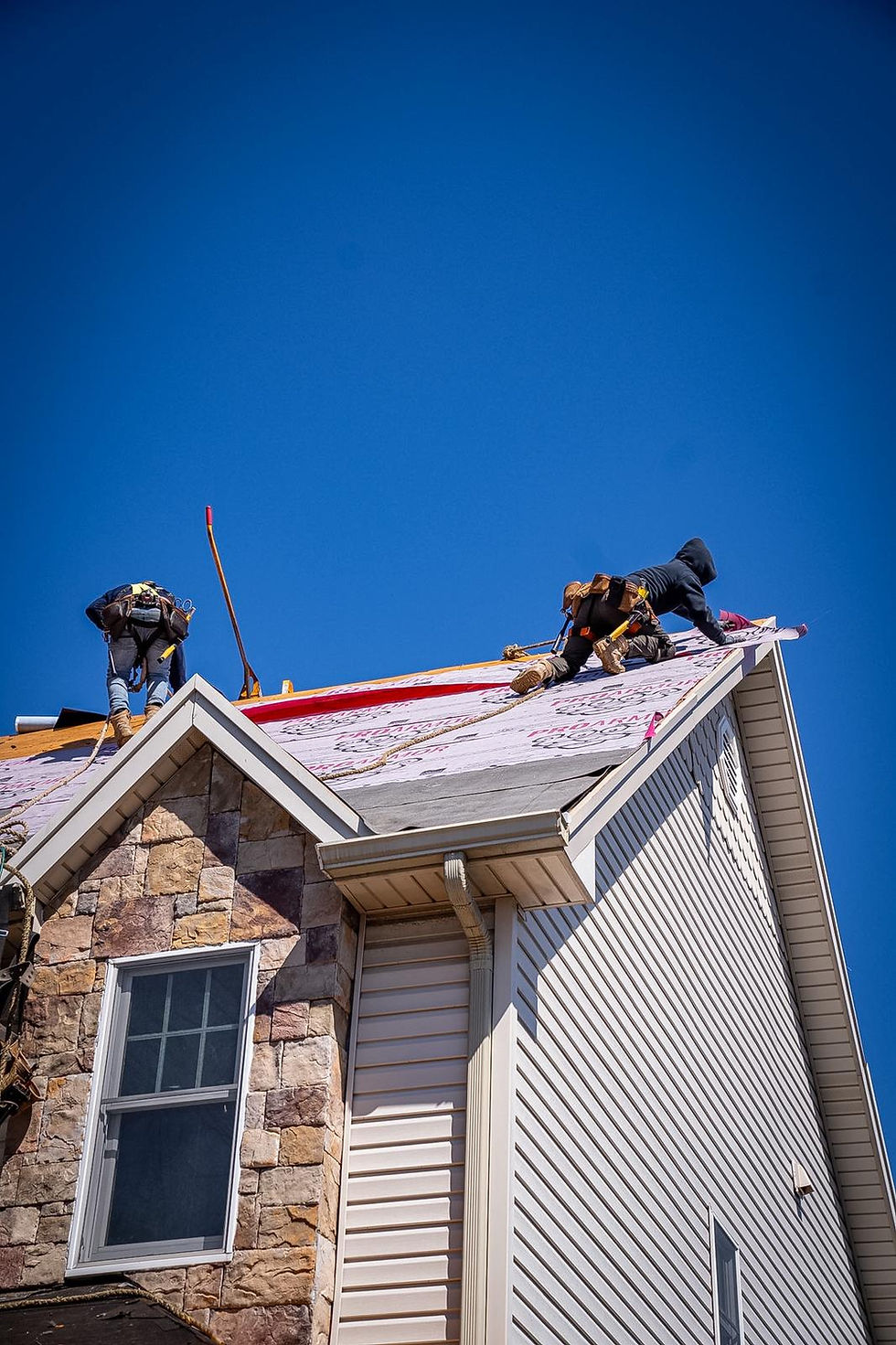
Common choices include asphalt shingles, metal roofing, and flat roofing systems. Each performs differently for durability, maintenance needs, and cost—so match the material to your priorities and the demands of New Jersey weather.
Emergency Services Offered
Many contractors provide emergency response for storm damage, active leaks, or safety concerns. Quick temporary fixes and fast assessments can prevent further interior damage until a full replacement or repair is scheduled.
Comprehensive Service Descriptions
Professional roof replacement usually includes a detailed inspection, help choosing materials and products, a clear installation timeline, and post-installation checks. Ask for a written scope so you know what’s included and when the job will be finished.
Roof Replacement Process

A reliable replacement follows predictable steps: a thorough inspection, material selection based on your needs and budget, professional installation by a trained crew, and a final walkthrough to confirm everything meets expectations.
Initial Inspection Details
Inspectors check the roof structure, look for hidden damage, and identify issues—like rot or poor flashing—that must be fixed before new materials go on. This upfront work protects your investment and extends the life of the new roof.
Material Selection Process
When choosing materials, consider climate performance, longevity, warranty coverage, and how the roof will look on your home. A good contractor explains trade-offs so you can decide with confidence.
Installation and Final Inspection
Installation should follow manufacturer guidelines and local building codes. After work is complete, a final inspection verifies proper fastening, flashing, ventilation, and cleanup so the new roof performs as promised.
Key Factors to Consider When Selecting a Service Provider
Picking the right contractor is as important as picking the right materials. Prioritize licensing and insurance, proven experience, and clear warranty options when comparing companies.
Licensing and Insurance Importance
Licensed and insured contractors protect you from liability and ensure work meets local code requirements. Always ask to see proof before hiring.
Experience and Reputation
Look for companies with a track record in your area. Reviews, references, and examples of completed projects show whether a contractor consistently delivers quality work.
Warranty Offerings
Warranties from both the manufacturer and the installer give you protection if problems arise. Ask what’s covered, for how long, and what steps are required to keep the warranty valid.
Metro Elite Roofing and Siding is a New Jersey-based roofing and exterior company offering roof replacement, siding, gutters, and windows. Their local experience means homeowners get solutions suited to regional weather and building codes.
What Are the Key Benefits of Professional Roof Replacement in New Jersey?
Hiring pros for a roof replacement offers clear benefits: fewer callbacks, better material access, correct installation, and long-term savings from improved energy efficiency and durability.
Cost-Effectiveness of New Roofs
A new roof reduces repair frequency and can lower energy bills, making it a cost-effective investment over time compared with repeated temporary fixes.
Quality of Materials Used
Professional contractors source higher-grade materials and install them to specification, which helps the roof resist weather and wear for many years.
Long-Term Durability and Warranties
A correctly installed roof backed by warranties protects your home against premature failure and gives you recourse if issues develop.
How Licensed Roofing Contractors Ensure Quality and Compliance
Licensed contractors follow industry standards and local codes, reducing the chance of installation mistakes and legal complications. Their training and certifications mean they understand proper techniques and safety practices.
Licensing and Certification Requirements
Contractors must meet local licensing standards and often hold manufacturer certifications that demonstrate knowledge of specific products and installation methods.
Insurance Coverage
Insurance covers accidents or property damage during a project. Confirm your contractor’s policy limits and that you’re listed as a client on their documentation.
Inspection Processes
Professional teams run inspections throughout the job to confirm correct installation and to catch problems early—keeping the work aligned with quality standards. Ultimately, quality control depends on active oversight at the job site: the more attention a qualified inspector or quality representative gives the build, the fewer issues you’ll face later.
Contractor Quality Control in Professional Roofing
1. In one set of projects, special contractor quality control (CQC) requirements for built-up roofing were written into the construction contract. Inspectors visited each site while the work was underway to observe the roofing application and assess how well the CQC specification was followed. The visits showed the specification was not always enforced as intended. The effectiveness of the CQC function depended heavily on the capability of the CQC representative and how many other tasks that person had. Improving CQC requires ensuring the quality representative spends enough time on the roof during construction to spot and correct issues promptly and to focus on their inspection duties. —Author
Why Choosing Experienced Contractors Matters for Residential Roofing
Experience matters. Skilled contractors understand material behavior, common installation pitfalls, and how to handle complex rooflines—leading to fewer callbacks and longer-lasting results.
Expertise in Various Materials
An experienced team can recommend the best material for your circumstances and install it properly, whether it’s asphalt, metal, or a flat roofing system.
Quality Assurance Through Certifications
Manufacturer and industry certifications indicate a contractor’s commitment to training and quality. These credentials often unlock stronger product warranties, too.
Cost Savings from Proper Installation
Correct installation prevents problems that can lead to costly repairs later—so paying for experienced labor up front often saves money over the life of the roof.
How Much Does Roof Replacement Cost in New Jersey?
Costs vary based on material choice, roof size, and job complexity. Understanding the main drivers helps you budget and compare quotes effectively.
Average Cost Ranges
On average, homeowners can expect to pay between $7,000 and $15,000 for a complete roof replacement, depending on roof size, materials, and other factors.
Factors Influencing Costs
Labor rates, material quality, tear-off requirements, roof pitch, and access all affect the final price. Ask for detailed quotes that break down these elements.
Available Financing Options
Many contractors offer financing plans or work with lenders to spread the cost of a replacement. Ask about options and terms before you commit.
What Factors Influence Roof Installation Cost in NJ?
Knowing the cost drivers helps you plan. Material choices, crew rates, and the roof’s size and complexity are the biggest influencers.
Material Choices Impact
Premium materials raise upfront costs but can reduce maintenance and replacement frequency. Balance initial price against expected lifespan and performance.
Labor Rates
Experienced crews may charge more, but they usually work faster and make fewer mistakes—often saving money overall.
Roof Size and Complexity
Steep pitches, multiple levels, dormers, or skylights increase labor and time on the job, which raises the total cost.
How to Budget for Roof Replacement: Cost Breakdown and Estimates
Budgeting means getting clear, comparable quotes, checking material quality, and planning for unexpected costs such as permit fees or hidden damage uncovered during tear-off.
Getting Multiple Quotes
Collect three written estimates to compare scope, materials, timelines, and cleanup policies. Don’t choose based on price alone—look for value and clarity.
Reviewing Material Quality
Ask which brands and product lines are included and how they affect warranty coverage. Higher-quality shingles or metal panels often perform better long term.
Planning for Additional Expenses
Set aside contingency funds for surprises uncovered during removal, such as rotten decking, ventilation upgrades, or flashing replacements.
Which Roofing Materials Are Best Suited for New Jersey Homes?
Pick materials that handle temperature swings, moisture, and storms. Your choice should balance cost, upkeep, and how long you expect the roof to last.
Cost and Durability of Materials
Asphalt shingles are cost-effective and common; metal roofs cost more up front but typically outlast shingles. Consider lifecycle value, not just initial price.
Maintenance Requirements
Some roofs need regular attention—cleaning gutters, checking flashing, or sealing seams—while others are lower maintenance. Factor your willingness to keep up with upkeep into the decision.
Suitability for NJ Climate
New Jersey’s weather includes hot summers, cold winters, and coastal storms. Choose systems rated for local wind, snow load, and moisture conditions.
Comparing Asphalt Shingles, Metal Roofs, and Other Materials
Each material has pros and cons. Weigh durability, cost, energy performance, and maintenance needs when comparing options.
Durability and Cost Comparison
Asphalt Shingles: Affordable and widely used; typical lifespan is about 20–30 years depending on quality and installation.
Metal Roofs: Higher initial cost but often last 40 years or more with minimal maintenance and strong resistance to wind and fire.
Flat Roofing: Common on lower-slope or commercial roofs; requires regular maintenance and careful drainage design to avoid issues.
Energy Efficiency
Metal roofs reflect heat and can reduce cooling costs, while darker asphalt shingles may retain heat—consider cool-roof options or added insulation to improve efficiency.
Suitability for NJ Weather
Both asphalt and metal roofs can perform well in New Jersey when installed correctly—pick the system that fits your budget, aesthetics, and long-term goals.
How Weather and Climate Impact Roofing Material Choice in NJ
Local climate should guide material selection. Consider how seasonal temperature swings, precipitation, and storms will affect performance and maintenance needs.
Temperature Fluctuations
Materials that tolerate expansion and contraction avoid cracking and premature failure. Proper installation allows for temperature movement without leaks.
Precipitation Effects
Materials and flashing must manage rain and snow effectively. Good underlayment, proper slopes, and reliable drainage reduce moisture-related problems.
Storm Damage Considerations
High-wind and hail resistance are important in many parts of New Jersey. Choose systems and fasteners rated for local wind speeds and consider impact-resistant products where needed.
How to Identify Signs You Need Roof Repair or Replacement in New Jersey?
Catch problems early by watching for visible damage, interior leaks, and age-related wear. Early action can prevent bigger repairs later.
Common Signs of Damage
Missing or curled shingles, sagging roof sections, or water stains on ceilings are red flags that warrant a professional inspection.
Risks of Neglecting Issues
Ignoring early signs can lead to structural damage, mold, and higher repair costs—timely intervention protects your investment.
Recommended Actions for Homeowners
If you see damage or suspect a leak, schedule an inspection. A licensed contractor can recommend the right repair or replacement strategy.
What Does a Professional Roof Inspection in New Jersey Include?
A good inspection covers the whole roof system: shingles or membrane condition, flashing, underlayment, ventilation, and signs of hidden damage.
Shingles Evaluation
Inspectors check for wear, granule loss, cracking, and missing pieces that reduce the roof’s effectiveness.
Flashing Inspection
Flashing around chimneys, vents, and valleys prevents leaks—inspectors verify it’s intact and properly sealed.
Ventilation Assessment
Proper ventilation prevents moisture buildup and overheating. Inspectors look at intake and exhaust to ensure balanced airflow.
When to Opt for Emergency Roof Repair Versus Full Replacement
Deciding between a quick repair and a full replacement depends on the extent of damage, roof age, and long-term costs. Use repairs for isolated issues; consider replacement when damage is widespread or the roof is near the end of its life.
Situations for Emergency Repairs
Active leaks, storm damage, or immediate safety hazards call for emergency measures to stop further interior damage before planning permanent work.
Indicators for Full Replacement
Extensive deterioration, multiple leaks, or roofs approaching typical lifespan are signs a full replacement will be more economical and reliable.
Cost-Effectiveness Considerations
Compare the cost of repeated temporary fixes versus the long-term value of a new roof. In many cases, replacement saves money and hassle over time.
For professional roof replacement in New Jersey, homeowners can rely on Metro Elite Roofing and Siding. Their local expertise and full-service approach cover roofing, siding, gutters, and windows to keep your home protected and looking its best.

Comments