
When to Replace or Repair Your Roof: Roofing Replacement Guidance
- Our Team
- May 15
- 4 min read

Your roof is one of the most important parts of your home. It protects you from the elements, keeps your family safe, and adds to your home's overall value. But how do you know when it’s time to repair your roof and when it’s better to replace it? This question is crucial for homeowners in Morris, Sussex, and Essex Counties who want to maintain their homes properly and avoid costly damage.
In this post, I will share clear, practical advice to help you decide when to repair or replace your roof. I’ll explain key signs to watch for, the 25% rule for roofing, and how to make the best choice for your home’s future.
Understanding Roofing Replacement Guidance
Knowing when to repair or replace your roof can save you money and stress. Roofs don’t last forever, but they can often be repaired to extend their life. The key is to spot problems early and understand the extent of the damage.
Here are some important factors to consider:
Age of your roof: Most roofs last between 20 and 30 years. If your roof is nearing this age, replacement might be the better option.
Type of damage: Small leaks or missing shingles can often be repaired. Large areas of damage or structural issues usually require replacement.
Cost comparison: Sometimes, multiple repairs add up to more than a new roof. It’s smart to compare costs before deciding.
Energy efficiency: Older roofs may not insulate well, leading to higher energy bills. A new roof can improve your home’s efficiency.
Home value: A new roof can boost your home’s market value and curb appeal.
By keeping these points in mind, you can make an informed decision that protects your investment.
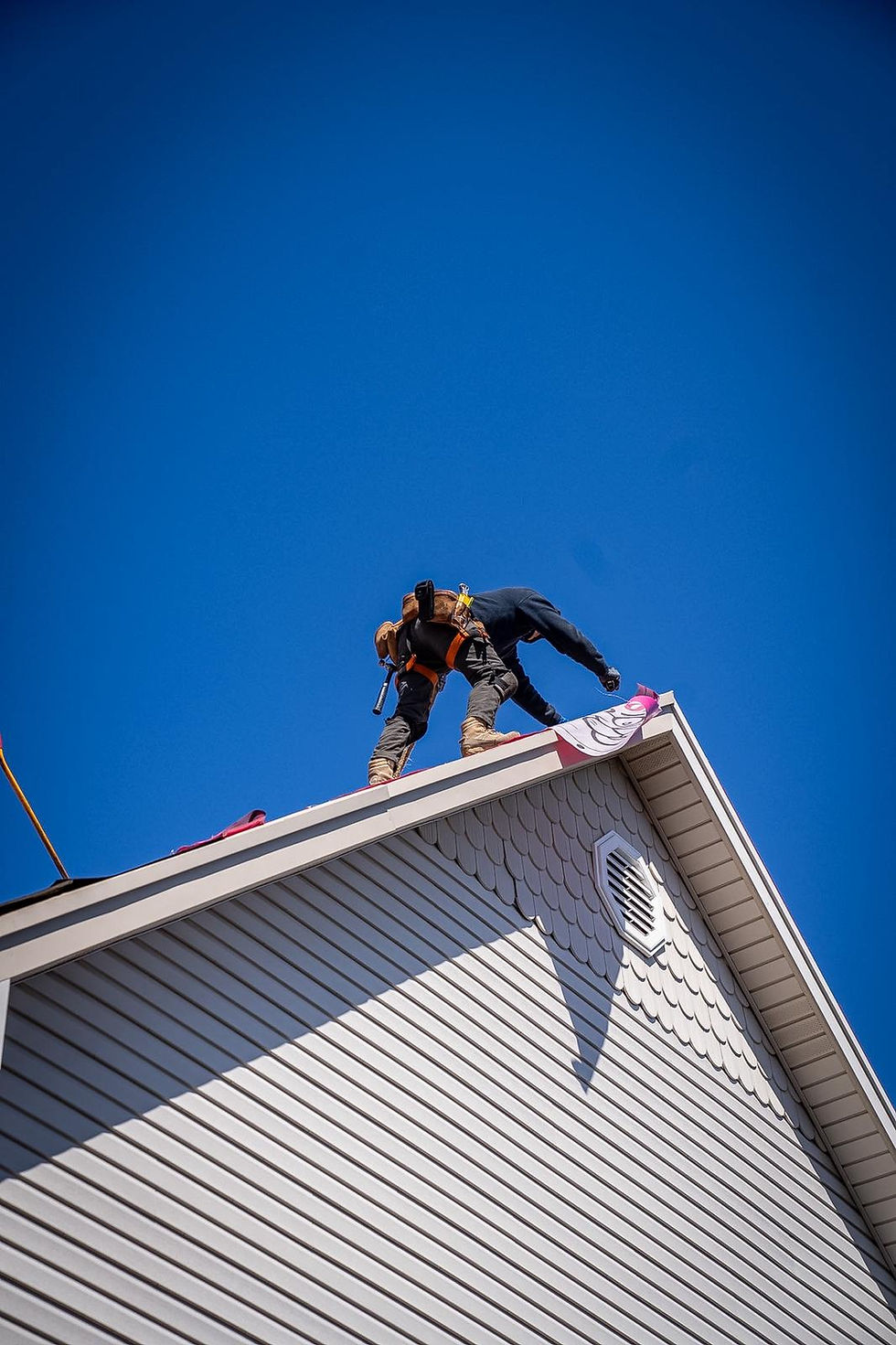
Signs You Need Roof Repair or Replacement
It’s important to regularly inspect your roof, especially after storms or harsh weather. Here are some clear signs that your roof needs attention:
Signs You Need Repair
Missing or cracked shingles: These can let water in and cause leaks.
Small leaks or water stains inside your home: These indicate minor damage that can often be fixed.
Granules in gutters: Asphalt shingles shed granules as they age. A lot of granules means your roof is wearing out.
Damaged flashing: Flashing around chimneys or vents can crack or loosen, causing leaks.
Moss or algae growth: This can damage shingles but is usually fixable with cleaning and treatment.
Signs You Need Replacement
Roof age over 20-25 years: Most roofs don’t last much longer than this.
Large patches of missing shingles: This means the roof is deteriorating.
Sagging roof deck: This is a serious structural issue.
Multiple leaks or widespread water damage: Repairing these can be costly and temporary.
Curling or buckling shingles: These indicate the roof is past its prime.
If you notice any of these signs, it’s time to call a professional for an inspection. They can help you decide whether repair or replacement is best.
What is the 25% Rule for Roofing?
The 25% rule is a simple guideline to help you decide between repair and replacement. It states:
If less than 25% of your roof is damaged, repairs are usually the best option.
If more than 25% of your roof is damaged, replacement is often more cost-effective and reliable.
This rule helps you avoid spending money on repairs that won’t last long. For example, if a storm knocks off a few shingles on one side of your roof, repairing that section makes sense. But if damage covers a quarter or more of your roof, replacement will save you headaches down the road.
Keep in mind that this rule is a guideline, not a strict law. Always get a professional opinion to assess your roof’s condition.

How to Choose Between Repair and Replacement
Choosing between repair and replacement depends on your roof’s condition, your budget, and your long-term plans. Here’s a step-by-step approach to help you decide:
Inspect your roof regularly: Look for visible damage, leaks, and signs of aging.
Consider the roof’s age: If it’s near or past 20 years, replacement is likely.
Evaluate the damage extent: Use the 25% rule as a guide.
Get a professional inspection: A roofing expert can spot hidden problems.
Compare costs: Ask for estimates on both repair and replacement.
Think about your home’s value: A new roof can increase resale value.
Consider energy efficiency: New roofs often have better insulation.
Plan for the future: If you plan to stay in your home long-term, replacement may be worth the investment.
By following these steps, you can make a confident choice that fits your needs and budget.
Protecting Your Home with Expert Roofing Services
Your roof is a major investment. Whether you decide to repair or replace, it’s important to work with trusted professionals who understand your local climate and building codes. Proper installation and quality materials ensure your roof will protect your home for years to come.
If you want peace of mind and expert advice, consider reaching out to a reputable roofing company. They can provide detailed inspections, honest recommendations, and skilled workmanship.
For homeowners in Morris, Sussex, and Essex Counties, finding a reliable partner for your exterior home renovations is key. A well-maintained roof not only safeguards your home but also enhances its beauty and value.
If you want to learn more about roof replacement and repair, check out trusted local experts who specialize in premium roofing solutions.
Taking Action to Maintain Your Roof
Don’t wait until small problems turn into big headaches. Regular maintenance and timely repairs can extend your roof’s life and save you money. Here are some practical tips:
Schedule annual roof inspections: Especially after winter or storms.
Clean gutters and downspouts: Prevent water buildup and damage.
Trim overhanging branches: Avoid damage from falling limbs.
Remove moss and algae: Use safe cleaning methods.
Fix leaks promptly: Don’t let water damage spread.
Keep an eye on attic ventilation: Proper airflow prevents moisture buildup.
By staying proactive, you protect your home and avoid costly emergency repairs.
Your roof is a vital part of your home’s defense. Knowing when to repair or replace it is essential for keeping your home safe and comfortable. Use the guidance here to make smart decisions and keep your roof in top shape for years to come.


Comments